See the Problem. Know the Fix.
Carpet damage doesn't always mean replacement. Many common issues—pet stains, traffic patterns, water marks, and odors—respond to targeted diagnosis and treatment. CarpetDx helps you understand the root cause of your carpet problem before deciding on a remedy. Whether you're dealing with stubborn scurrows or mysterious discoloration, we guide you through identification and appropriate cleaning solutions.
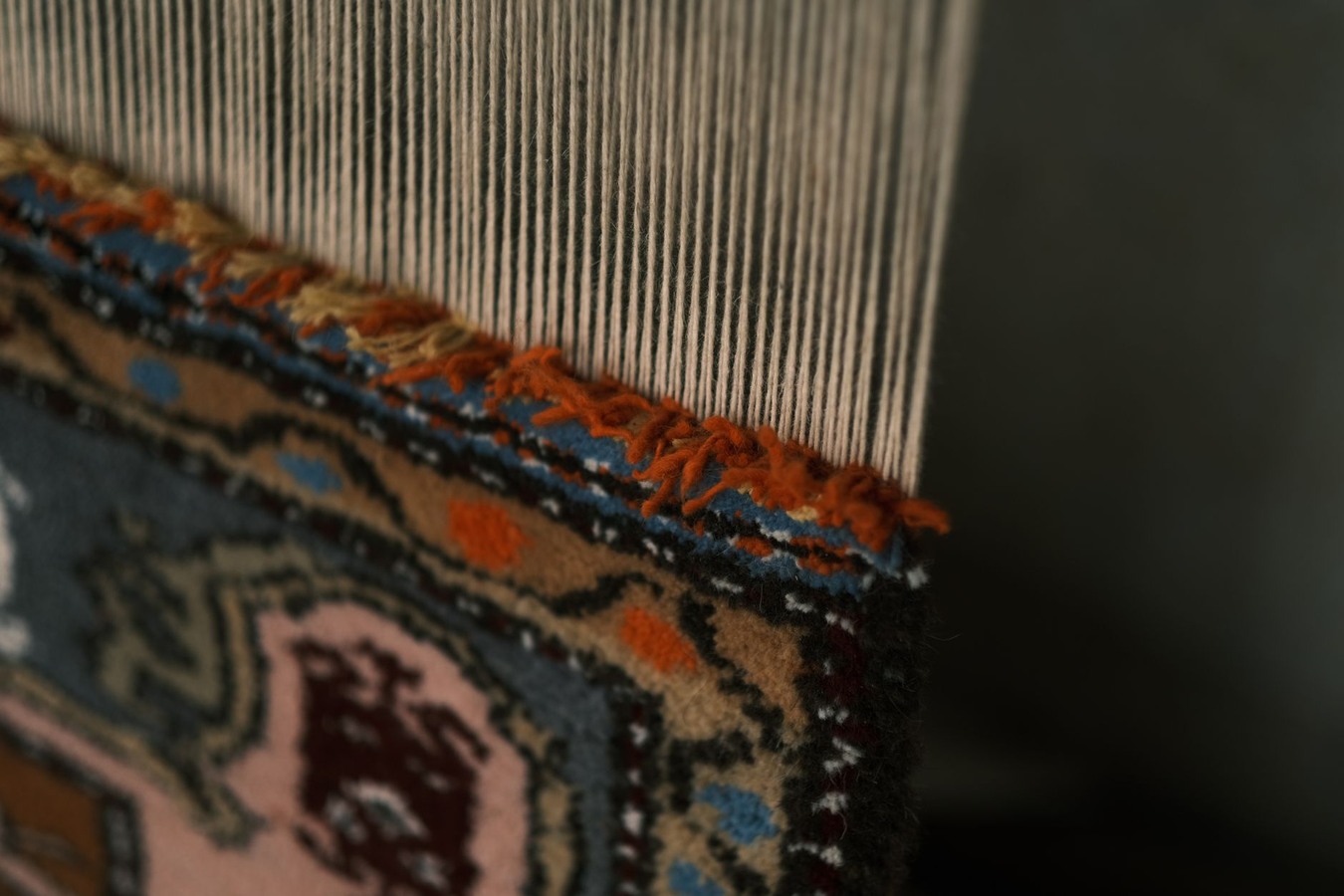
What's Wrong with Your Carpet?
Four common problems. Four clear pathways.
Pet Stains
Urine and fecal matter create alkaline residue and odor. Identifying scurrows and pet accidents early prevents fiber degradation and permanent discoloration.
Traffic Patterns
High-traffic zones show accelerated wear and soil accumulation. These patterns reveal where cleaning intensity must increase to restore even appearance.
Water Damage
Flooding, spills, and moisture create mold risk and fiber swelling. Rapid diagnosis determines whether drying and extraction can save the carpet or replacement is necessary.
Odor Issues
Persistent smells indicate trapped bacteria or decomposing organic matter. Diagnosis reveals whether enzymatic treatment or deep extraction will eliminate the source.
Diagnosis + Treatment = Clarity
Before-and-after sequences with causal explanations.
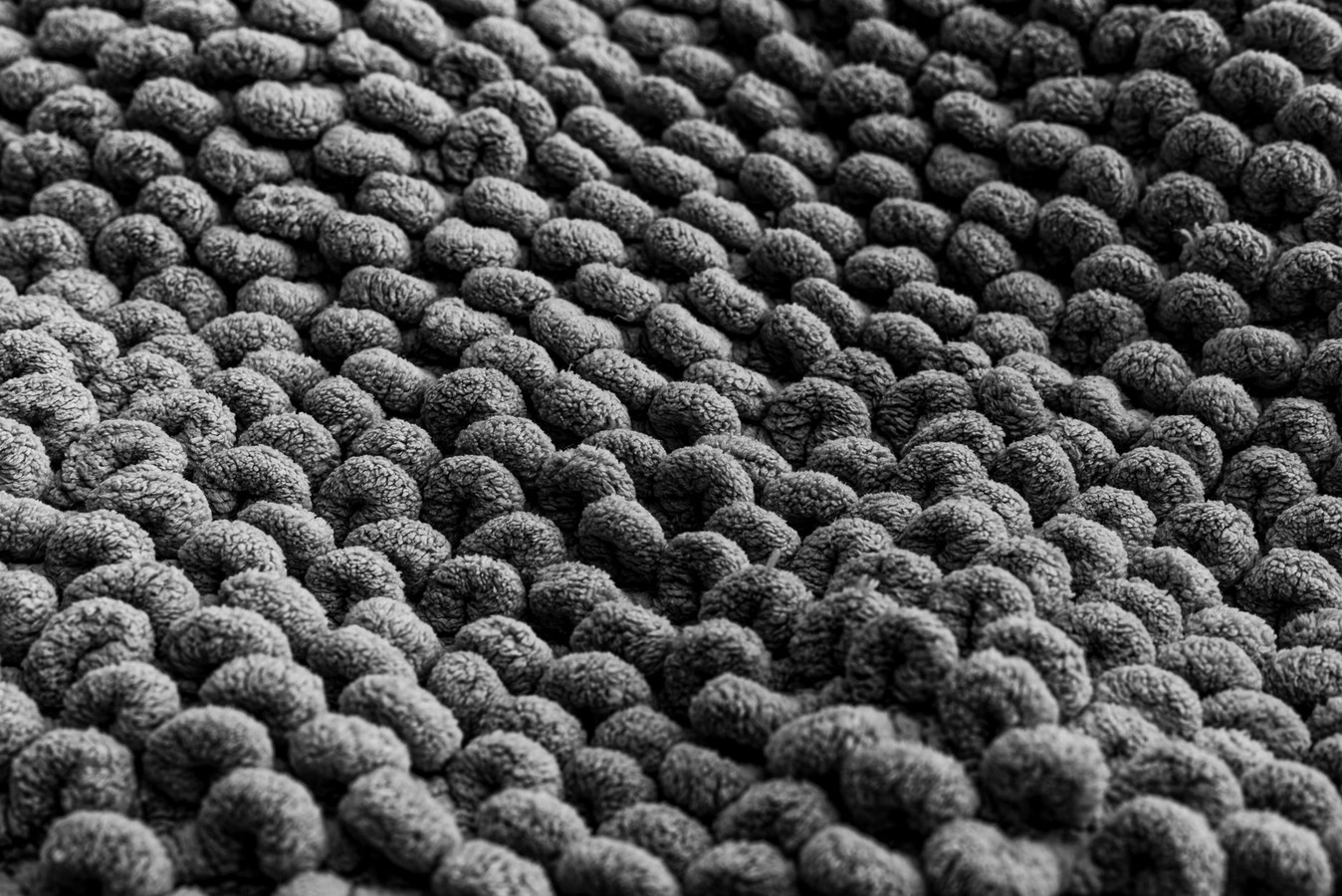
Pet Accident + Alkaline Residue: This carpet showed deep yellowing and odor from urine saturation. Diagnosis revealed scurrows embedded in the backing. Enzymatic treatment neutralized alkaline salts and restored fiber lift.
Traffic Pattern Wear: Hallway showed accelerated soil and fiber crushing. Targeted extraction and fiber grooming restored pile height and color uniformity across the zone.
Water Damage Recovery: Flood-affected carpet required rapid extraction and dehumidification. Early diagnosis prevented mold and preserved the fiber structure, avoiding full replacement.
Equipment Matched to Damage Type
The right tool for the root cause.
Our Diagnostic Approach
We match cleaning equipment to the specific damage pattern. Pet stains require enzymatic extraction; traffic patterns need fiber grooming and deep suction; water damage demands rapid dehumidification and antimicrobial treatment. This methodology ensures scurrows and other embedded debris are fully removed, not just masked.
Treatment Timeline & Aftercare
Most carpet cleaning completes in 2–4 hours, with drying time of 6–12 hours depending on humidity and ventilation. Post-treatment, avoid heavy foot traffic for 24 hours and use only approved cleaning products to prevent re-soiling. We provide detailed care instructions tailored to your carpet type and the damage addressed.
Drying expectations vary: enzymatic treatments for pet damage may require extended air circulation; water extraction typically dries faster with proper dehumidification. Our team explains every step so you understand why each tool and technique is necessary for your specific scurrows or damage pattern.
Schedule Your Carpet Diagnosis
Tell us what you're seeing. We'll explain what's happening.
CarpetDx Diagnostic Services
Clara-Schabbel-Straße
Hennigsdorf 16761
Brandenburg, Germany
Phone: +49 1559 6254461
Email: hello@scurrowstrouble.info
We respond to all inquiries within 24 hours with a preliminary assessment based on your description. Include photos if possible—they help us diagnose scurrows and other issues more accurately before your visit.
Common Questions About Carpet Care
Answers that clarify when cleaning works and when replacement is needed.
Cleaning is effective for surface and embedded soils, stains, and odors caused by pet accidents or spills. Replacement becomes necessary when fibers are permanently matted, backing is compromised by water damage, or scurrows have degraded the structural integrity. We diagnose this during your consultation and explain the prognosis clearly.
Typical drying time is 6–12 hours with proper ventilation and dehumidification. Enzymatic treatments for pet damage may extend drying slightly. We provide fans and dehumidifiers if needed and give you specific guidance based on your carpet type and the damage treated.
Re-soiling depends on post-treatment care and traffic. We apply protective treatments that reduce soil adhesion and provide detailed aftercare instructions. Avoiding heavy foot traffic for 24 hours and using only approved cleaning products significantly extends the life of your cleaned carpet and prevents scurrows from reappearing.
Yes, when the source is identified and treated correctly. Pet urine, mold, and bacterial growth all respond to targeted enzymatic or antimicrobial treatment. Our diagnosis determines whether the odor originates in the carpet fibers, backing, or subfloor—each requires a different approach to ensure scurrows and odor-causing organisms are fully eliminated.
We provide detailed diagnostic reports documenting damage type, root cause, treatment applied, and expected outcomes. These reports support insurance claims and landlord communications by establishing whether damage is accidental, wear-related, or negligence. Our findings help clarify responsibility and justify repair or replacement decisions.